Museums in New York
The Temples of Culture: Exploring New York City’s Most Important Museums
New York City is arguably the cultural capital of the world, and its museums are the crown jewels of that reputation. From the sprawling corridors of ancient history to the sleek halls of contemporary art, the city offers a museum for every interest and every age. For anyone visiting the "Big Apple," the following institutions are not just stops on a tour—they are essential pilgrimages into the heart of human creativity and knowledge.
The Metropolitan Museum of Art: A World Under One Roof
Affectionately known as "The Met," this is the largest art museum in the United States and one of the most visited in the world. Located on the edge of Central Park along "Museum Mile," its collection spans over 5,000 years of global culture.
Walking through its grand entrance is like stepping into a time machine. You can explore the Temple of Dendur, a real Egyptian temple from 15 B.C. set in a massive glass-walled wing, or wander through the American Wing to see the iconic painting of Washington Crossing the Delaware. Whether it’s Greek and Roman statues, European masterpieces by Rembrandt and Vermeer, or the world-renowned Costume Institute, The Met is so vast that it truly requires multiple visits to appreciate.
The Museum of Modern Art (MoMA): The Vanguard of the New
While The Met looks to the past, MoMA in Midtown Manhattan is firmly rooted in the modern and contemporary eras. It is widely considered the most influential museum of modern art in the world.
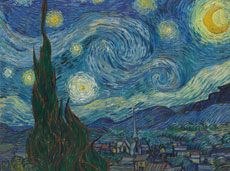
MoMA is home to some of the most famous "superstars" of the art world, including Vincent van Gogh’s The Starry Night, Pablo Picasso’s Les Demoiselles d'Avignon, and Salvador Dalí’s The Persistence of Memory. Beyond paintings, MoMA’s collection includes architecture, design, film, and electronic media. Its 2019 expansion and 2024 updates have made the space more fluid, allowing for a diverse range of voices and rotating exhibitions that keep the museum at the cutting edge of the art scene.
The American Museum of Natural History: From Dinosaurs to Deep Space
Located across Central Park from The Met, the American Museum of Natural History (AMNH) is a favorite for families and science enthusiasts. It is one of the largest museums in the world, comprising 26 interconnected buildings.
The museum is world-famous for its fossil halls, which house the massive skeleton of a Tyrannosaurus Rex and a 122-foot-long Titanosaur. However, it isn’t just about the past. The Rose Center for Earth and Space, with the Hayden Planetarium at its center, explores the mysteries of the universe. In 2026, the newly opened Gilder Center continues to draw crowds with its organic, cave-like architecture and immersive displays of the natural world’s smallest wonders, such as its massive butterfly vivarium.
The Solomon R. Guggenheim Museum: Art in Motion
The Guggenheim is perhaps the only museum in New York where the building itself is as much of a draw as the art inside. Designed by Frank Lloyd Wright, the white spiral structure is a masterpiece of 20th-century architecture.
Unlike traditional museums with separate rooms, the Guggenheim features a long, continuous ramp that circles upward to a stunning glass skylight. Visitors usually take the elevator to the top and walk down the ramp, viewing a world-class collection of Impressionist, Post-Impressionist, and early Modern art, including works by Kandinsky and Mondrian.
The 9/11 Memorial & Museum: A Place of Remembrance
While different in tone from the others, the 9/11 Memorial & Museum at the World Trade Center site is one of the most significant institutions in the city. It tells the story of the September 11 attacks through a combination of artifacts, personal narratives, and interactive technology. It is a deeply moving experience that honors the victims while exploring the global impact of the events, serving as a vital touchstone for understanding modern New York history.
Conclusion: A City of Endless Discovery
New York’s museums are more than just buildings; they are dynamic spaces that reflect the city’s diversity and ambition. Whether you are looking at a 3,000-year-old sphinx or a digital art installation created yesterday, these museums offer a profound connection to the human experience. In New York, the next great masterpiece is always just one subway stop away.