MoMA New York
The Vanguard of Vision: Inside MoMA New York
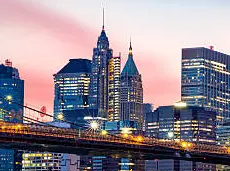
In the heart of Midtown Manhattan, nestled among the towering steel of corporate giants, sits a building that changed the course of art history: The Museum of Modern Art (MoMA). Established in 1929, MoMA was the first museum of its kind—an institution dedicated entirely to the "art of our time." Today, it remains the gold standard for modern and contemporary art, serving as a laboratory for the avant-garde and a sanctuary for the world's most famous masterpieces.
An Architectural Evolution
The MoMA we see today is a testament to constant transformation. Its most recent major expansion, completed in late 2019, fundamentally reimagined how visitors interact with art. Gone are the days of strictly chronological galleries. The new MoMA encourages "creative collisions," placing photography next to painting or architecture next to performance art. The sleek, glass-and-steel facade reflects the city’s energy, while the interior—a labyrinth of airy, minimalist galleries—provides the quiet focus needed to appreciate provocative works.
The "Superstars" of the Collection
While the museum boasts over 200,000 works, a few pieces have achieved a level of fame that makes them mandatory viewing for any visitor.
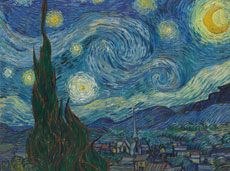
- Vincent van Gogh’s The Starry Night: Perhaps the most famous painting in the world, its swirling blue skies and yellow orbs continue to captivate crowds daily.
- Pablo Picasso’s Les Demoiselles d’Avignon: A revolutionary work that shattered traditional perspectives and paved the way for Cubism.
- Salvador Dalí’s The Persistence of Memory: These melting clocks are the quintessential symbol of Surrealism.
- Andy Warhol’s Campbell’s Soup Cans: A cornerstone of Pop Art that challenged the definition of "high art."
More Than Just Paintings
What truly sets MoMA apart is its broad definition of art. It was the first major museum to establish a department for Architecture and Design, recognizing that a well-designed chair or an aerodynamic car is just as much a cultural artifact as a sculpture. The museum also houses an extensive Film library and hosts daily screenings, as well as a dedicated space for live Media and Performance, ensuring that art is experienced as a living, breathing event rather than just a static object on a wall.