Statue of Liberty New York
Lady Liberty: The Torch That Lights the World
Standing tall on a small island in the middle of New York Harbor, the Statue of Liberty is perhaps the most recognizable symbol of freedom and democracy in the world. For over 140 years, she has served as a welcoming sentinel for millions of immigrants, a masterpiece of 19th-century engineering, and a powerful reminder of the enduring friendship between nations. In 2026, as she continues to watch over the Atlantic, her story remains as relevant as ever.
A Gift of Friendship and Vision
The statue, officially titled Liberty Enlightening the World, was a gift from the people of France to the United States. Conceived by the French historian Édouard de Laboulaye and designed by the sculptor Frédéric Auguste Bartholdi, it was intended to celebrate the centennial of the American Declaration of Independence and the shared values of liberty between the two republics.
The engineering behind the giant was equally prestigious. Gustave Eiffel, the man behind the Eiffel Tower, designed the internal iron framework. This ingenious "curtain wall" structure allowed the statue’s copper skin to move independently, helping her withstand the fierce winds and salt air of New York Harbor.
Symbolism in Every Detail
Every inch of the statue is laden with meaning. Lady Liberty is depicted as a robed Roman goddess, Libertas.
The Torch: Representing enlightenment, it serves as a beacon for those seeking a better life.
The Tablet: Held in her left hand, it is inscribed with the date "JULY IV MDCCLXXVI" (July 4, 1776), anchoring the statue to the birth of American independence.
The Crown: Its seven rays represent the seven seas and seven continents, signifying that the message of liberty is universal.
The Broken Chains: Often missed by visitors because they lie at her feet, the broken shackles and chains symbolize the end of tyranny and the abolition of slavery following the American Civil War.
The Gateway to a New Life
While the statue was originally a diplomatic gift, its meaning shifted dramatically with the opening of Ellis Island nearby in 1892. For the millions of "huddled masses" arriving by steamship, the sight of the Statue of Liberty was their first glimpse of the "New World." It promised a life free from the persecution and poverty they had left behind in Europe and beyond.
This connection was immortalized in Emma Lazarus’s 1883 poem, The New Colossus, which is inscribed on a bronze plaque inside the pedestal. Its famous lines, "Give me your tired, your poor, your huddled masses yearning to breathe free," transformed the statue from a celebration of political independence into a motherly figure of hope.
Visiting the Statue in 2026
Today, a trip to Liberty Island is a multi-layered experience. Since the opening of the Statue of Liberty Museum a few years ago, visitors can see the original 1886 torch up close and learn about the grueling construction process through high-tech immersive films.
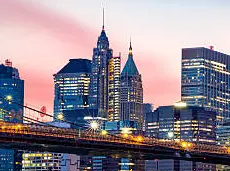
For those with a bit of stamina, climbing the 162 stairs from the pedestal to the Crown offers one of the most unique vantage points in New York. From the small windows in her diadem, you can see the shimmering skyline of Lower Manhattan and the vast expanse of the harbor.
An Enduring Icon
The Statue of Liberty has survived wars, weathered hurricanes, and starred in countless films. Her copper skin, originally the color of a penny, has turned a distinctive green (verdigris) due to natural oxidation—a "patina" that New Yorkers wouldn't change for anything.
In an ever-changing world, Lady Liberty remains a constant. She is a reminder that the pursuit of freedom is a collective human effort. Whether you view her from the deck of the free Staten Island Ferry or stand at her feet on the island, the feeling is the same: a sense of awe for a monument that truly lives up to its name. She is not just a statue; she is the soul of the American dream.